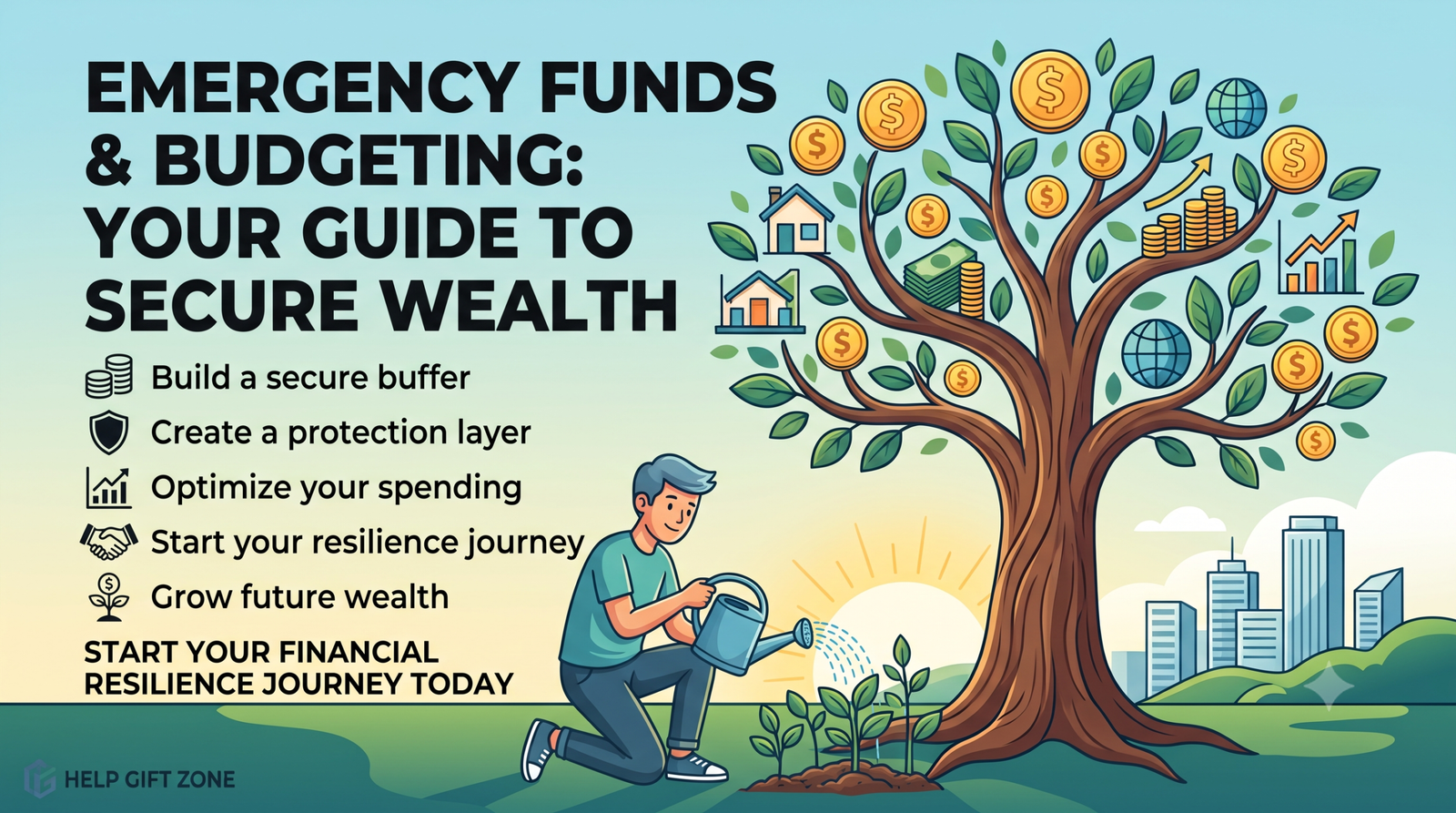
Most people know they should have an emergency fund. Far fewer actually have one that could cover a surprise car repair, a medical bill, or a month without a paycheck. The gap usually isn’t about knowledge — it’s about money already feeling stretched thin. If you’re wondering how to build an emergency fund without sacrificing your monthly budget, the good news is you don’t need a dramatic lifestyle overhaul to get there. You need a system that works quietly in the background while your regular life keeps going.
This article walks through how to start and grow an emergency fund in a way that fits into a normal budget, rather than fighting against it.
Why an Emergency Fund Matters More Than It Seems
An emergency fund isn’t about pessimism. It’s about giving yourself options when something unplanned happens. Without one, a broken water heater or a sudden layoff often gets paid for with a credit card, and that debt can quietly cost far more than the original emergency, thanks to interest charges that pile up over time.
Think of an emergency fund as a buffer between you and bad luck. It won’t stop the emergency from happening, but it stops the emergency from turning into a financial crisis. That distinction matters. A leaking roof is stressful. A leaking roof plus three months of high-interest debt is a different problem entirely.
Financial professionals often mention a range of three to six months of essential expenses as a general target, though the right number depends on your job stability, health, family situation, and how much other savings or support you have. There’s no single “correct” amount for everyone, and that’s worth remembering before comparing yourself to a generic rule of thumb.
Start With a Number That Doesn’t Scare You
One reason people delay building an emergency fund is that the “final goal” feels impossible. If your target is $15,000 and your budget feels tight already, the whole idea can seem pointless before you even begin.
Instead, start smaller. A first milestone of $500 to $1,000 is often enough to cover the most common minor emergencies — a flat tire, a dental issue, an appliance repair — without touching a credit card. Reaching that first milestone tends to build real momentum, because it proves the system works before you ask yourself to commit to something larger.
Automate Small, Consistent Contributions
The single most effective habit for saving without feeling it is automation. Set up a recurring transfer — even something modest like $25 or $50 — to move from checking to savings right after payday. When the transfer happens automatically, you stop relying on willpower, and the money is set aside before it has a chance to get spent on smaller day-to-day purchases.
This approach works because it treats saving like a fixed expense, similar to rent or a phone bill, rather than something you do with whatever happens to be left over at the end of the month.
Find Money Without Cutting What You Value
Sacrificing your budget usually means cutting things that genuinely matter to you — the takeout dinner with a friend, the streaming subscription you actually use, the gym membership that keeps you moving. That kind of cutting rarely lasts, because it feels like punishment.
A more sustainable approach is to look for money that’s leaking out without adding much value:
- Subscriptions you forgot you had, or barely use
- Bank fees that could be avoided with a different account
- Duplicate services (two streaming platforms with overlapping content, for example)
- Impulse purchases that don’t align with things you actually enjoy
Reviewing a bank or credit card statement line by line, once, often reveals ten or twenty dollars a month that isn’t improving your life in any meaningful way. Redirecting that toward an emergency fund doesn’t feel like sacrifice, because you’re not losing anything you valued in the first place.
Use Windfalls Strategically
Tax refunds, work bonuses, cashback rewards, or even selling unused items around the house are a natural source of emergency fund contributions, because they aren’t part of your regular monthly cash flow. Since you weren’t counting on that money for everyday expenses, putting a meaningful portion of it into savings doesn’t disrupt your budget at all.
A reasonable approach is to split windfalls — for example, allocating half toward the emergency fund and letting yourself enjoy or use the rest. This keeps saving from feeling purely restrictive.
Keep the Fund Separate, But Accessible
Where you keep the emergency fund matters. It shouldn’t sit in your everyday checking account, where it’s easy to spend without noticing. A separate savings account, ideally one that isn’t linked to a debit card you use often, adds a small amount of friction that discourages casual withdrawals.
At the same time, the fund needs to remain reasonably accessible. This isn’t money to lock away in a long-term investment account, since the entire purpose is to have it ready when something urgent comes up. Many people choose a standard or high-yield savings account for this reason, since interest rates and account terms vary by provider and change over time, it’s worth comparing current options from your bank or a few competitors before deciding where to keep the fund.
Practical Tips / Key Takeaways
- Start with a small, achievable goal like $500–$1,000 before aiming for a larger cushion.
- Automate transfers right after payday so saving doesn’t depend on willpower.
- Cut spending that doesn’t add real value, not the things you genuinely enjoy.
- Direct a portion of windfalls — refunds, bonuses, cashback — straight into savings.
- Keep the fund in a separate, accessible account rather than your everyday checking.
- Revisit your target periodically, since expenses and life circumstances change.
Building the Habit, Not Just the Balance
An emergency fund isn’t a one-time project you finish and forget. Expenses shift, income changes, and life circumstances evolve, so it’s worth revisiting your savings goal every so often rather than treating the first number you picked as permanent.
The real skill being built here isn’t just the balance in a savings account — it’s the habit of paying yourself first, in small and manageable amounts, before the rest of the month gets a chance to absorb the money. That habit tends to carry over into other financial goals, from paying down debt to saving for larger purchases.
If you’re just getting started, don’t wait until your budget feels roomy. Begin with whatever small, automatic amount feels sustainable today. An emergency fund built slowly and consistently is still an emergency fund — and it will be there the day you actually need it.
Note: Interest rates, account terms, and specific financial products change over time and vary by provider. Readers should verify current rates and terms with their bank or financial institution, and consider speaking with a qualified financial advisor for guidance tailored to their personal situation.