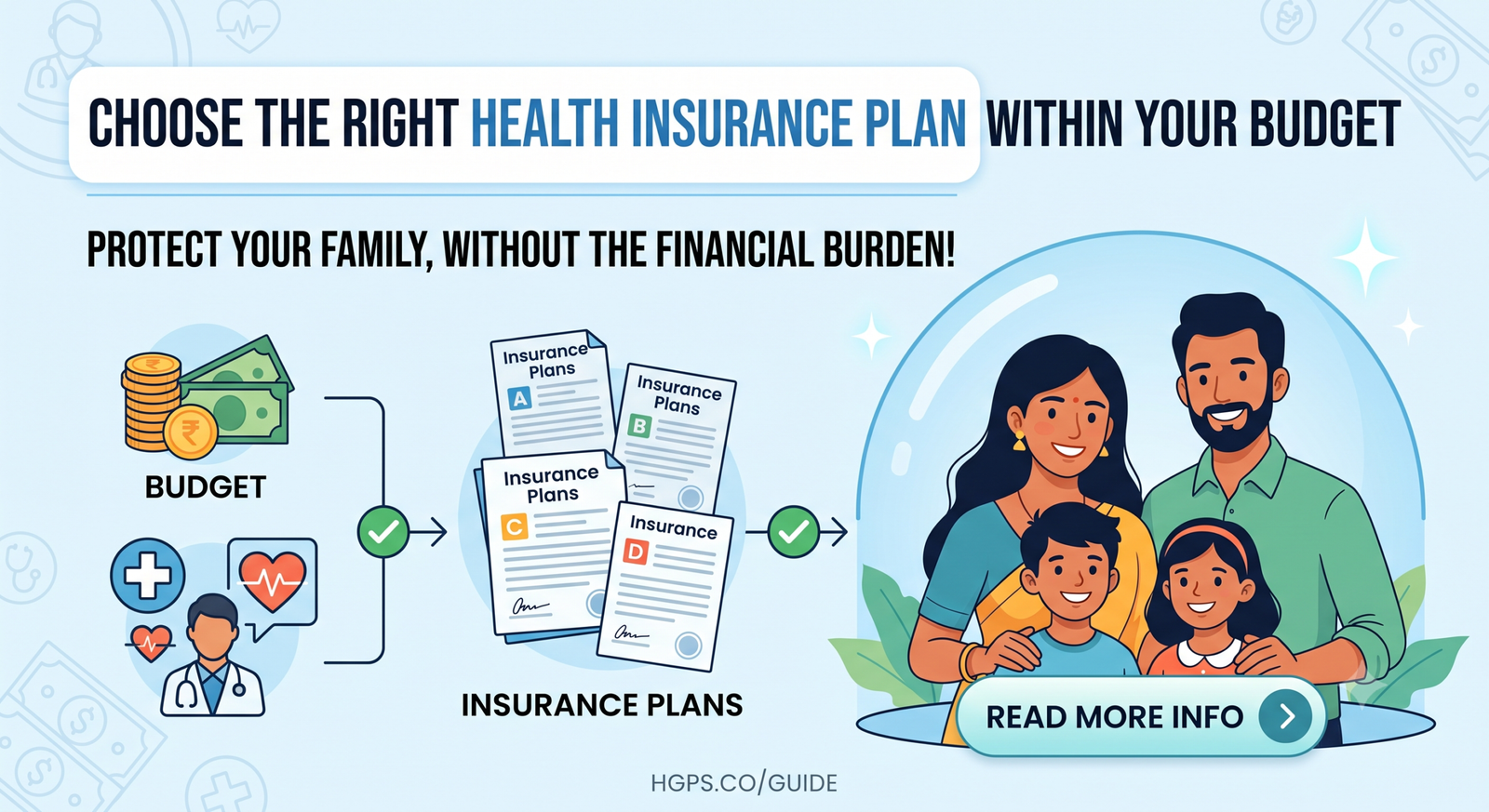
Open enrollment rolls around, you log into a benefits portal or marketplace website, and suddenly you’re staring at five plans with names like “Silver Choice Plus” and “Bronze Value HSA,” each with a different premium, deductible, and copay structure. It’s overwhelming, and it’s easy to just pick whatever plan feels familiar or has the lowest monthly cost and move on with your day.
That approach can cost you real money later. Choosing the right health insurance plan for your budget isn’t just about finding the cheapest premium — it’s about matching a plan’s total cost structure to how you actually use healthcare. In this article, you’ll learn how the major cost components work, what questions to ask before you enroll, and how to think through the tradeoffs so you land on a plan that fits both your health needs and your wallet.
Understand the Real Cost of a Health Insurance Plan
Most people compare plans by looking at the monthly premium alone, but that’s only one piece of the puzzle. A complete picture includes four main elements:
- Premium — what you pay every month just to have coverage, regardless of whether you use it.
- Deductible — the amount you pay out of pocket before insurance starts covering most costs.
- Copays and coinsurance — what you pay per visit or service, or as a percentage of the cost, after you’ve met your deductible.
- Out-of-pocket maximum — the most you’ll pay in a year before insurance covers 100% of costs.
A plan with a low premium often has a high deductible, and vice versa. That’s not an accident — insurers price plans so that, on average, the tradeoffs balance out. Your job is to figure out which side of that tradeoff makes sense for your situation.
Why This Matters More Than the Premium Alone
Imagine two plans. Plan A costs $150 a month with a $6,000 deductible. Plan B costs $350 a month with a $1,000 deductible. If you rarely see a doctor, Plan A could save you money over the year. But if you have a chronic condition, an upcoming surgery, or a growing family, Plan B might actually cost less once you add up premiums plus out-of-pocket spending. The only way to know is to run the numbers for your specific situation, not just glance at the sticker price.
Assess Your Actual Healthcare Needs
Before comparing plans side by side, take stock of how you and your family used healthcare over the past year or two. Ask yourself:
- How many doctor visits, specialist appointments, or urgent care trips did you have?
- Do you take regular prescription medications?
- Are you planning any major medical events — a pregnancy, surgery, or ongoing therapy?
- Do you have a chronic condition that requires consistent monitoring?
If your healthcare use is minimal, a high-deductible plan paired with a Health Savings Account (HSA) might make sense, since you’ll pay lower premiums and can save pre-tax dollars for future medical expenses. If you or a family member needs frequent care, a plan with a higher premium but lower deductible and copays often ends up being the more economical choice over the year.
Compare Network Coverage, Not Just Cost
Price matters, but it’s not the only variable. Health plans typically use networks of doctors, hospitals, and specialists that have agreed to negotiated rates. Going outside that network — even accidentally — can mean paying significantly more, or in some cases, the full cost of care.
Check Your Current Providers
Before switching plans, confirm whether your current doctors, especially any specialists you see regularly, are in-network. Losing access to a trusted physician to save a small amount on premiums is a tradeoff worth thinking through carefully.
Consider Plan Types
Health plans generally fall into a few structures, each with different flexibility and cost implications:
- HMO (Health Maintenance Organization): Usually lower cost, but requires referrals to see specialists and limits you to an in-network provider list.
- PPO (Preferred Provider Organization): More flexibility to see out-of-network providers, typically at a higher premium.
- EPO (Exclusive Provider Organization): A middle ground — no referrals needed, but no out-of-network coverage except emergencies.
- HDHP (High-Deductible Health Plan): Lower premiums, higher deductibles, often paired with an HSA.
None of these is universally “better.” The right structure depends on how much flexibility you value versus how much you want to minimize monthly costs.
Factor In Prescription Drug Coverage
If you or a family member takes regular medication, don’t overlook the plan’s prescription drug formulary — the list of medications it covers and at what cost tier. Two plans with similar premiums can have very different prescription costs depending on how they categorize your specific medications. It’s worth checking this list directly rather than assuming coverage will be similar across plans.
Practical Tips for Choosing Wisely
- Use a total-cost calculator. Many marketplaces and employer portals let you estimate annual costs based on expected usage — use this instead of comparing premiums alone.
- Read the Summary of Benefits and Coverage (SBC). Every plan is required to provide one, and it’s the clearest side-by-side comparison tool available.
- Don’t ignore the out-of-pocket maximum. In a bad year — an accident, a diagnosis, a hospitalization — this number tells you your worst-case financial exposure.
- Ask about telehealth and preventive care. Many plans cover annual checkups and virtual visits at no additional cost, which can reduce your overall spending.
- Revisit your choice annually. Your health needs, income, and family situation change, and so do plan offerings. What worked last year may not be the best fit this year.
Conclusion
Choosing the right health insurance plan for your budget comes down to looking past the monthly premium and understanding how deductibles, copays, networks, and prescription coverage interact with your actual healthcare habits. There’s no single “best” plan — only the plan that best matches your health needs, your risk tolerance, and your financial situation this year.
Take the time to review your past healthcare usage, compare total potential costs rather than just premiums, and confirm your preferred providers are covered before you commit. A little extra effort during enrollment can save you real money and unnecessary stress down the road.
This article is for general educational purposes only and does not constitute personalized financial or insurance advice. Health insurance rules, plan availability, and costs vary by state, employer, and year — verify current details with your insurer, employer benefits office, or healthcare marketplace before making enrollment decisions.